Gutter Cleaning Tips: Prevent Water Damage This Fall
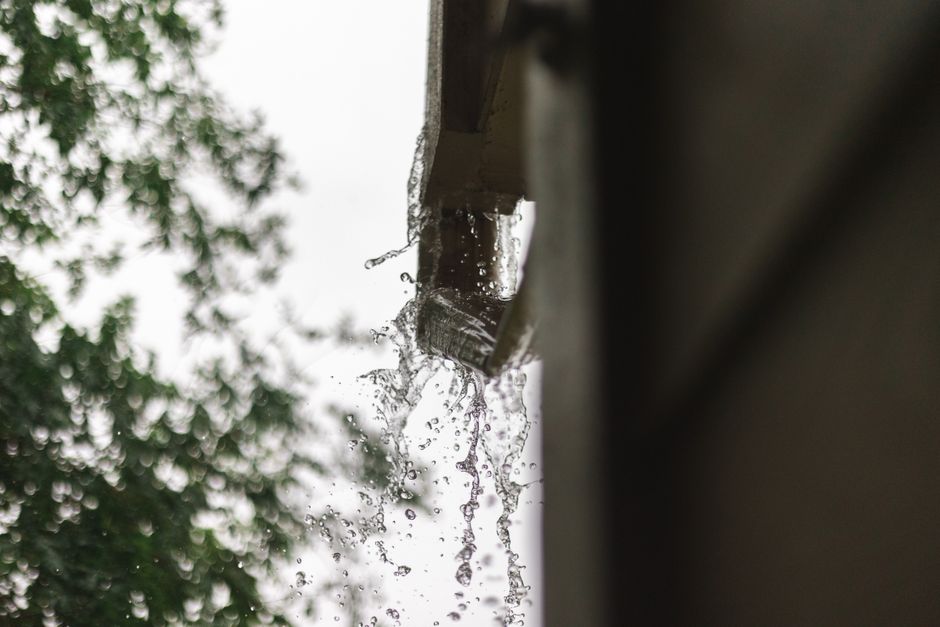
As autumn arrives and leaves begin to fall, the importance of maintaining clear gutters becomes increasingly apparent. In the United Kingdom, where rainfall is frequent and often heavy, blocked gutters can quickly lead to water overflow, potentially affecting the structural integrity of a property. Water that is not properly channeled away from the roof and walls can seep into foundations, cause dampness in interior walls, and even damage landscaping. Establishing a regular gutter cleaning routine is a practical method for preventing such issues before they start.
Gutter maintenance involves more than just removing visible debris. It requires a systematic approach that includes understanding the components of the gutter system, using the correct tools, and applying safe working practices. By focusing on the process rather than the outcome, property owners can develop a sustainable routine that helps preserve the building’s exterior. This article examines various techniques, essential equipment, and safety practices that contribute to effective gutter maintenance during the autumn months.
Understanding the Role of Gutters and Common Blockage Causes
Gutters serve a critical function in directing rainwater away from the building’s foundation. When functioning properly, they collect water from the roof and channel it down the downspouts to a designated drainage area. However, they are prone to accumulating leaves, twigs, and other organic matter, especially during fall when trees shed their foliage. In addition to natural debris, small animals or birds may nest in gutters, adding to the blockage. Over time, algae and moss can also develop on the interior surfaces, narrowing the channel and impeding water flow.
It is useful to inspect the gutter system from the ground using binoculars or a long-handled tool to identify visible blockages. Look for areas where water appears to pool or where plants are visibly growing. Following the inspection, plan a safe and methodical cleaning session. Remember that the primary goal is to facilitate the smooth flow of water away from the structure, which in turn helps in preserving the foundation and exterior walls.
Essential Tools and Equipment for Effective Gutter Cleaning
Having the right equipment can make the cleaning process more efficient and reduce the physical effort required. A sturdy ladder with a stabilizer, gutter scoop or trowel, bucket or tarp for collecting debris, and a garden hose with a spray nozzle are among the basic tools. For those who prefer not to climb a ladder, specialized ground-level cleaning systems using high-pressure water jets are available. These tools allow the removal of loose debris without the need for ladder work, although they may not completely clear stubborn obstructions.
When using a ladder, ensure it is placed on stable ground and at the correct angle. A ladder stabilizer can prevent it from slipping and also protect the gutter from damage. For elevated work, a safety harness may be considered, especially if the roofline is steep. Gloves are essential to protect hands from sharp objects and debris, and safety goggles can shield the eyes from falling particles. Having all tools within easy reach before starting will minimize movement and increase safety.
Safe Ladder Techniques and Personal Safety Measures
Ladder safety is paramount when cleaning gutters. Falls from ladders are a common cause of injury among homeowners. Therefore, it is important to follow recommended practices. The ladder should be placed on a flat, non-slip surface, and the feet should be secured. The base of the ladder should be positioned one foot away from the wall for every four feet of height. If possible, have a second person hold the base of the ladder for added stability.
Always position the ladder such that you can reach the gutter easily without overreaching. Move the ladder frequently to avoid stretching beyond your comfort zone. Before climbing, ensure the ladder is fully extended and the locks are engaged. Wear slip-resistant footwear and avoid working during wet or windy conditions. If the roof is high or the pitch is steep, it is prudent to hire a professional gutter cleaning service. By prioritizing personal safety, the task becomes less risky and more manageable.
Step-by-Step Gutter Cleaning Process
Start cleaning from the downspout opening and work towards the opposite end. Using your hand or a scoop, gently remove the debris into a bucket or onto a tarp. Be careful not to damage the gutter lining. After removing the large debris, flush the gutters with a garden hose. This helps to clear out smaller particles and allows you to check for any leaks in the system. Observe how the water flows through the downspout to ensure there are no blockages within the vertical pipe itself.
It is also important to check the connections between sections of the gutter. Ensure they are secure and that brackets are not loose. If any sections have corroded or are sagging, they may require repair or replacement. After the gutters are flowing freely, consider installing gutter guards to reduce the amount of leaves entering the system. Gutter guards come in various designs and should be chosen based on the roof type and the surrounding foliage. Regular maintenance, even with guards, remains necessary, but the frequency of cleaning can be reduced.
Developing a Gutter Maintenance Routine for the Fall
In the UK, leaf fall typically occurs from September to November. A proactive approach is to clean the gutters at least twice during this period, once in mid-autumn and again after most leaves have fallen. However, the specific need depends on the number of trees around the property. Properties with overhanging branches may require more frequent checks. It is advisable to inspect gutters after heavy storms, as strong winds can deposit a surprising amount of debris.
Integrating gutter cleaning into a regular home maintenance schedule can prevent water damage from becoming a serious issue. Additionally, trimming back overhanging branches can reduce the volume of leaves falling into the gutters. When carrying out the cleaning, take the opportunity to examine the condition of the roof edges and the fascia boards for signs of moisture or rot. By addressing minor issues promptly, larger repair costs may be avoided in the long term.
For those who prefer professional assistance, companies that specialize in gutter maintenance can provide a thorough service, including cleaning, inspection, and minor repairs. When selecting a service, it is helpful to obtain references and compare pricing. Regardless of whether the task is performed by the homeowner or a professional, keeping gutters clear remains an integral part of protecting a home from water intrusion.
Preventing water damage involves regular inspection and maintenance of all areas where the building envelope meets the environment.
In conclusion, maintaining clear gutters is a straightforward yet essential aspect of home upkeep. By understanding the causes of blockages, using the appropriate tools, following safety guidelines, and establishing a cleaning schedule, property owners can reduce the risk of water-related issues. The process is not complicated, but it does require attention to detail and a commitment to consistent care.