Natural All-Purpose Cleaner Recipes for an Eco-Friendly Home
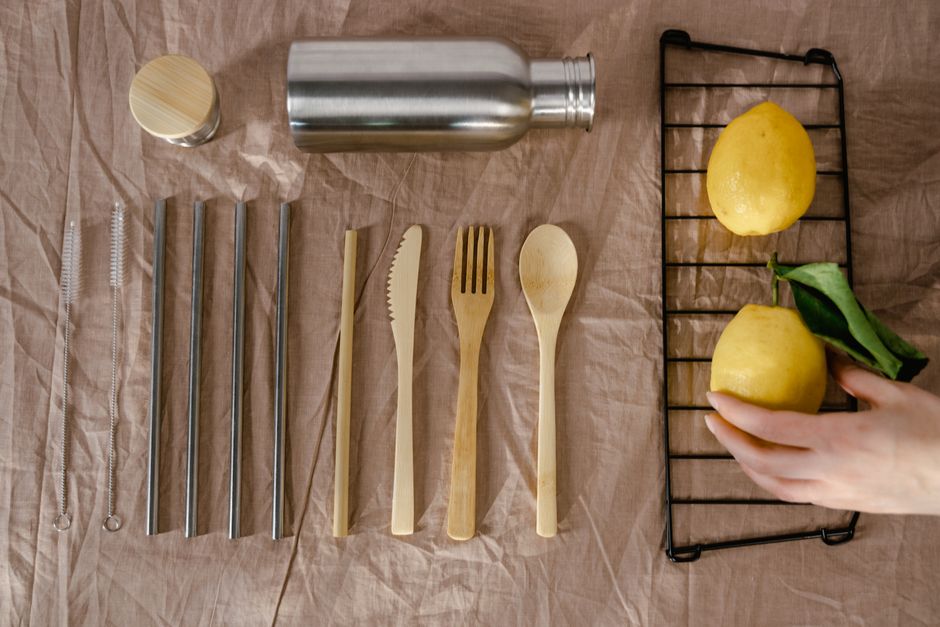
Creating a clean and healthy home often involves a careful selection of products that are both effective and kind to the environment. Many conventional cleaning supplies contain chemicals that can be harsh on surfaces, indoor air quality, and local ecosystems. By turning to natural ingredients, it is possible to formulate cleaners that handle everyday messes while reducing the overall environmental footprint. The recipes outlined in this article are designed to be practical, transparent in their methodology, and adaptable to various household needs, all while focusing on simple ingredients that are commonly available.
The focus here is not on quick fixes or guaranteed outcomes, but on the process of preparing and using these solutions. Each recipe relies on the inherent properties of ingredients such as vinegar, bicarbonate of soda, lemon, and essential oils. Understanding the role of each component helps in customising the cleaners for specific tasks. This approach encourages a deeper connection with the products used at home, promoting a more sustainable and informed lifestyle.
Ingredient Insights and Preparation Tips
Before mixing a solution, it is helpful to understand why each ingredient is valuable in natural cleaning. Distilled white vinegar is known for its acidic nature, which can assist in breaking down mineral deposits and mild grease. Bicarbonate of soda, or baking soda, acts as a mild abrasive, useful for scrubbing without scratching most surfaces. Lemon juice contains citric acid, which can help brighten surfaces and add a fresh scent. Essential oils, such as tea tree, lavender, or eucalyptus, are often included for their aromatic qualities, and some possess properties that may influence their cleaning potential. For instance, tea tree oil is frequently cited for its antimicrobial characteristics, though results can vary based on concentration and contact time.
When preparing these cleaners, consider the type of surface being addressed. For example, a higher concentration of vinegar may be suitable for glass shower screens, but it should be avoided on natural stone surfaces like marble or granite, as the acid can dull the finish. Similarly, bicarbonate of soda is excellent for sinks and tubs, but it should be rinsed thoroughly to avoid leaving a residue. It is also advisable to use clean, dry spray bottles that are properly labelled, and to store homemade cleaners away from direct sunlight and heat. Additionally, it is best to prepare small batches, as natural ingredients may degrade over time, and always perform a patch test on an inconspicuous area to observe the reaction.
All-Purpose Cleaning Solutions
An all-purpose cleaner is a versatile staple that can be used on a variety of non-porous surfaces, including countertops, tiles, and glass. The following recipe combines the cleaning power of vinegar with the refreshing scent of lemon and tea tree oil. To prepare this solution, fill a 500 ml spray bottle halfway with water. Add 200 ml of white vinegar, then mix in the juice of one whole lemon, ensuring no seeds fall into the mixture. Finally, incorporate 15 to 20 drops of tea tree essential oil. Cap the bottle and shake gently to combine the ingredients.
This solution is intended for regular wiping and light cleaning. Spray the cleaner onto the surface, then wipe with a clean, damp microfiber cloth or sponge. For tougher spots, allow the cleaner to sit for a few minutes before agitating with a soft brush or cloth. The vinegar odour tends to dissipate as the surface dries, leaving behind a subtle scent of lemon and tea tree. It is important to note that this recipe is not suitable for use on unsealed wood or stone surfaces. Always rinse surfaces that come into contact with food after cleaning, and consider preparing a fresh batch after two weeks to maintain effectiveness.
Surface-Specific Formulations
In addition to an all-purpose option, tailoring cleaners to specific surfaces can improve performance and prolong the life of materials. For glass and mirror cleaning, a simple mixture of one part vinegar to three parts water can be stored in a spray bottle and applied with a lint-free cloth or newspaper. This mixture helps remove smears and fingerprints, though achieving a streak-free finish often requires final polishing with a dry, soft cloth. Window and glass surfaces may need to be wiped in an S-shaped motion to avoid missing spots and to ensure even coverage.
For kitchen counters and bathroom fixtures, a paste made from bicarbonate of soda and water offers a gentle scrubbing action. Combine three parts bicarbonate of soda with one part water to form a thick paste. This paste can be applied with a sponge or cloth, working in circular motions over stained or dull areas. The paste is particularly effective on porcelain sinks and stainless steel sinks, but it should be tested on a small section first. After scrubbing, rinse thoroughly with clean water and dry with a towel to prevent water spots. This method is a process rather than a quick solution, as it requires a bit of elbow grease, but it provides a sense of control over the products used.
Essential Oil Blends and Their Uses
Essential oils can be added to natural cleaners not only for fragrance but also for their potential to support the cleaning effort. Each oil has a distinct profile; for instance, lavender oil is often chosen for its calming scent, while eucalyptus oil might be selected for its crisper aroma. For a general disinfecting boost, tea tree oil is a common choice among proponents of natural cleaning. A household disinfectant solution can be made by adding 20 drops of tea tree oil to 500 ml of water in a spray bottle. This mixture can be used on surfaces that are frequently touched, such as doorknobs and light switches, but it is essential to understand that homemade solutions may not meet the same efficacy standards as commercial disinfectants. The process should involve thoroughly cleaning the surface beforehand, as the solution is not formulated to cut through heavy grime.
When working with essential oils, safe handling is important. They are concentrated plant extracts and should be kept away from eyes and sensitive skin. It is recommended to store essential oils in a cool, dark place, and to use glass bottles for mixing, as some oils can degrade certain plastics. Furthermore, the quality of oils varies, so selecting a pure product from a reputable source is a consideration. While these blends can enhance a cleaning routine, they are not a guaranteed method for eliminating harmful microorganisms, and expert guidance should be consulted when disinfection is critical.
Eco-Friendly Cleaning Practices
Beyond the recipes themselves, the way cleaning is conducted influences the home’s environmental impact. Using reusable cloths made from old cotton t-shirts or towels reduces paper waste. Microfiber cloths effectively capture dust and small particles without chemical cleaning agents, but they shed tiny synthetic fibres that can enter waterways. Opting for natural fibre cloths made from cotton or bamboo is a more sustainable choice. Similarly, choosing solid bars of soap for cleaning instead of liquid detergents that come in plastic bottles can significantly reduce waste.
Another aspect to consider is the disposal of cleaning solutions. Pouring homemade cleaners down the drain may affect water treatment processes, though the quantities used in homes are generally considered minor. To minimise any impact, it is advisable to make only what is needed and to avoid flushing large amounts down the sink. Some natural ingredients, such as vinegar, can also have unintended effects if they come into contact with certain surfaces or materials, so it is wise to educate oneself on the compatibility of ingredients with various materials. By incorporating these practices, cleaning routines become part of a broader lifestyle that respects the environment and promotes health.
In conclusion, crafting natural all-purpose cleaners is a straightforward process that encourages a mindful approach to home maintenance. These solutions rely on ingredients that are biodegradable and generally safe for the household, but their effectiveness depends on proper preparation and application. The information provided here serves as a guide, not a directive, and users are encouraged to adapt these recipes to their specific needs and conditions. The journey towards a cleaner home can be both learning and fulfilling, and it begins with simple steps that benefit both the interior and the planet.