Top 10 Time-Saving Kitchen Shortcuts for Busy Families
For many families, the kitchen is the heart of the home, yet it can also be a source of constant time pressure. Between school runs, work commitments, and extracurricular activities, preparing meals often becomes a rushed affair. However, streamlining kitchen tasks can free up valuable moments for more enjoyable activities. This article explores a range of practical shortcuts designed to ease daily routines, focusing on methods that have been evaluated by everyday users for their effectiveness.
The approaches presented here are not about compromising on quality but about working smarter within the constraints of a busy schedule. By adopting certain techniques and tools, families can reduce the time spent on food preparation and cleaning, making the kitchen a more efficient space. The aim is to provide a toolkit of ideas that can be adapted to individual preferences and needs, always emphasizing that outcomes vary based on context and practice.
Optimizing Preparation with Smart Ingredient Handling
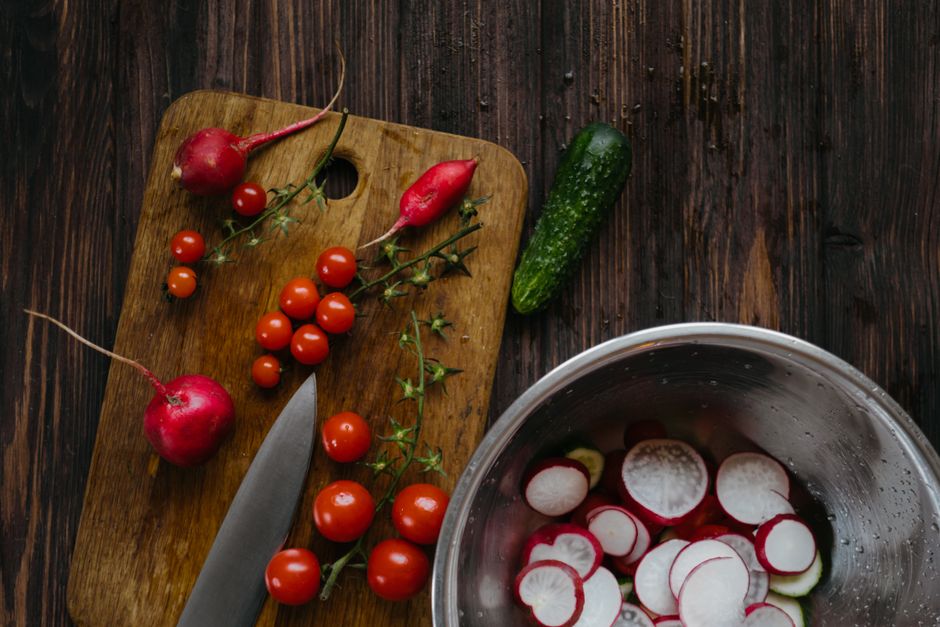
The initial stage of meal preparation often consumes a significant portion of cooking time. One effective method involves batch-prepping vegetables at the start of the week. By washing, peeling, and chopping items like onions, peppers, and carrots in one session, families can store them in airtight containers for quick use during the week. Testers have noted that this practice not only cuts down on daily prep time but also reduces food waste, as vegetables are more likely to be used when they are ready to go.
Another timesaving technique is the use of a food processor or a mandoline for consistent slicing. While these tools require an initial investment, they can dramatically speed up the process of shredding cheese, slicing cucumbers, or making coleslaw mixes. For households with varying skill levels, safety is a consideration, so it is advisable to choose equipment with appropriate guards and to follow manufacturer instructions carefully.
Herbs are another area where shortcuts can be beneficial. Rather than laboriously chopping soft herbs like basil or parsley each time, consider freezing them in ice cube trays with a little olive oil or water. These herb cubes can be added directly to soups, stews, or sauces, providing fresh flavor without the prep work. This technique also helps preserve surplus herbs from the garden, ensuring that they are not wasted.
Additionally, investing in quality storage containers with clear labels can simplify organization. Assigning specific containers for different ingredients, such as pre-measured grains or marinated proteins, allows for easy retrieval during the cooking process. By having a systematic approach to storing prepped items, families can avoid the last-minute scramble to find ingredients, making the entire cooking experience smoother.
Streamlining Cooking Processes with Multipurpose Tools
Multipurpose kitchen tools are invaluable for reducing both time and countertop clutter. One example is the use of an instant-read thermometer, which ensures that meats are cooked to the correct temperature without guesswork. This reduces the risk of undercooked meals and the need for additional cooking time. Similarly, a quality non-stick pan can minimize the time spent on cleaning and allows for easy flipping and sautéing with less oil.
Another popular shortcut involves cooking ingredients simultaneously using the same heat source. For instance, when boiling pasta, placing a steamer basket on top to cook vegetables at the same time saves energy and reduces the number of pots to clean. This technique can be extended to rice cookers or slow cookers, where main dishes and sides can be prepared together in separate compartments or layers.
The use of pre-made or partially prepared ingredients, such as rotisserie chicken or pre-shredded cheese, is another way to cut down on active cooking time. While these convenience items may cost slightly more, the time savings can be significant, especially on particularly hectic days. It is important to read labels to ensure quality and nutritional value, but testers have found that these items can be seamlessly incorporated into recipes without sacrificing taste.
Furthermore, adopting a one-pot or sheet-pan cooking approach can streamline both preparation and cleanup. Combining proteins, vegetables, and starches in a single tray not only reduces the number of dishes but also allows for flavors to meld together. This method often requires minimal hands-on time, making it ideal for busy evenings. By selecting recipes that are designed for one-pan cooking, families can enjoy hearty meals with less fuss.
Accelerating Cleanup with Organized Systems
Cleanup is often perceived as a necessary evil, but with strategic planning, it can be accelerated. One effective habit is to clean as you go. This means washing utensils and boards while food is cooking, and wiping down surfaces immediately after use. This practice prevents the buildup of mess and leaves only the final dishes to be handled after the meal. Testers have reported that this approach significantly reduces end-of-meal cleanup time.
Another timesaver is the use of disposable liners for slow cookers, air fryers, and baking trays. These liners trap grease and food residue, allowing for a simple lift-and-discard cleanup. While not suitable for all applications, they are particularly useful for high-fat or sticky items. Environmentally conscious families may opt for recyclable or compostable options where available.
Organizing the dishwasher strategically can also cut down on time spent on dish duty. Running the dishwasher at night and unloading it first thing in the morning ensures that dishes are ready for use throughout the day. For items that require hand washing, having a dedicated drying rack with a drainboard can expedite the process. Grouping similar items, such as all cutlery in one container, speeds up the sorting and storing phase.
In addition, designating a specific spot for kitchen tools and gadgets reduces the time spent searching for them. A drawer organizer for measuring spoons, peelers, and whisks keeps essentials within easy reach. For larger appliances, keeping them on the counter in accessible locations encourages frequent use, which can ultimately save time by being efficient in their application.
Making Use of Wait Times Efficiently
Waiting times during cooking, such as when boiling water or simmering sauces, present opportunities for parallel task completion. Utilizing these intervals for other kitchen tasks, like setting the table or packing lunches for the next day, can make the most of every minute. This approach requires a certain level of multitasking ability but can be mastered with practice.
Slow cookers and pressure cookers are exceptional tools for reducing active cooking time. By assembling ingredients in the morning or the night before, families can set the appliance to cook while they attend to other responsibilities. In the context of a pressure cooker, many recipes can be prepared in a fraction of the time of traditional methods, making them a valuable addition to the busy family kitchen.
Another method to capitalize on wait times is to double recipes when using the oven or stovetop. Cooking larger quantities and freezing individual portions for later use ensures that a home-cooked meal is always available, even on the most hectic days. This practice not only saves time in the long run but also reduces the frequency of takeout orders, which can be less predictable in terms of time and nutrition.
Furthermore, involving family members in meal preparation can distribute the workload and shorten overall time. Assigning age-appropriate tasks, such as stirring, measuring, or setting the table, encourages cooperation and teaches valuable skills. While it may initially take longer with assistance, the long-term benefits include shared responsibility and the potential for increased efficiency as children become more proficient.
Adopting Flexible Meal Planning Approaches
Meal planning is a cornerstone of efficient kitchen management, but it must be flexible to accommodate unexpected changes. Rather than planning every dinner in detail, families can adopt a theme-based approach, such as designating certain nights for pasta, stir-fry, or leftovers. This provides structure without the rigidity that can lead to stress when plans change.
Creating a master list of quick recipes that can be prepared in 30 minutes or less is another helpful tool. This list serves as a go-to resource on days when energy and time are scarce. By keeping the pantry stocked with the essential ingredients for these recipes, families can avert the need for last-minute grocery runs, which can be time-consuming.
For larger families, cooking in bulk and repurposing leftovers into new meals is an effective strategy. For instance, a roast chicken can be used for sandwiches, salads, and soups over the course of a few days. This not only saves cooking time but also reduces food waste and grocery bills. Testers have found that with a bit of creativity, leftovers can be transformed into entirely different dishes that are welcomed by the household.
Additionally, it is wise to keep a well-organized pantry and fridge. Regularly checking stock levels and keeping an inventory on the door can help in making informed decisions about what to cook during the week. This prevents the purchase of unnecessary items and ensures that all ingredients are used before they expire. By having a clear picture of available supplies, families can reduce the need for multiple trips to the supermarket, which consumes time and energy.
Leveraging Time-Saving Kitchen Gadgets
While not every kitchen gadget is worth the counter space, certain tools can genuinely expedite common tasks. For example, a garlic press can save the time and effort of mincing garlic by hand, and a citrus juicer can quickly extract juice without messy seeds. These small devices are often affordable and can be used frequently, providing a quick return on investment.
An electric kettle, commonly used for making tea, can also be used to boil water for cooking faster than a stovetop pot. This is particularly useful for pasta, vegetables, or any recipe requiring boiling water. Similarly, a microwave with sensor cooking can eliminate guesswork and ensure even heating without constant monitoring.
For those who enjoy baking, a stand mixer can be a substantial timesaver, particularly when mixing dough or whipping cream. The hands-free operation allows the cook to prepare other ingredients in the meantime. Even with a hand mixer, the process is accelerated compared to whisking by hand. It is essential to choose appliances that match the family’s needs and usage patterns to avoid unnecessary clutter.
Cookbook stands and recipe apps on tablets or smartphones also streamline the cooking process by keeping instructions at eye level and hands clean. Some apps provide timers and conversion tools, reducing the need for manual calculations or separate timers. This ensures that the cook can focus on the task at hand without interruptions, leading to a smoother and more efficient cooking experience.
Time is what we want most, but what we use worst. — William Penn
In conclusion, integrating time-saving strategies into the kitchen routine can greatly benefit busy families. The shortcuts discussed—ranging from smart preparation techniques to efficient cleanup methods—are designed to work in harmony with an organized approach. It is important to realize that the effectiveness of these methods depends on individual circumstances and consistency. By gradually adopting a few of these shortcuts, families can create a more relaxed and enjoyable cooking environment, leaving more time for what matters most.