Closet Overhaul: Simple Steps to Declutter Your Wardrobe
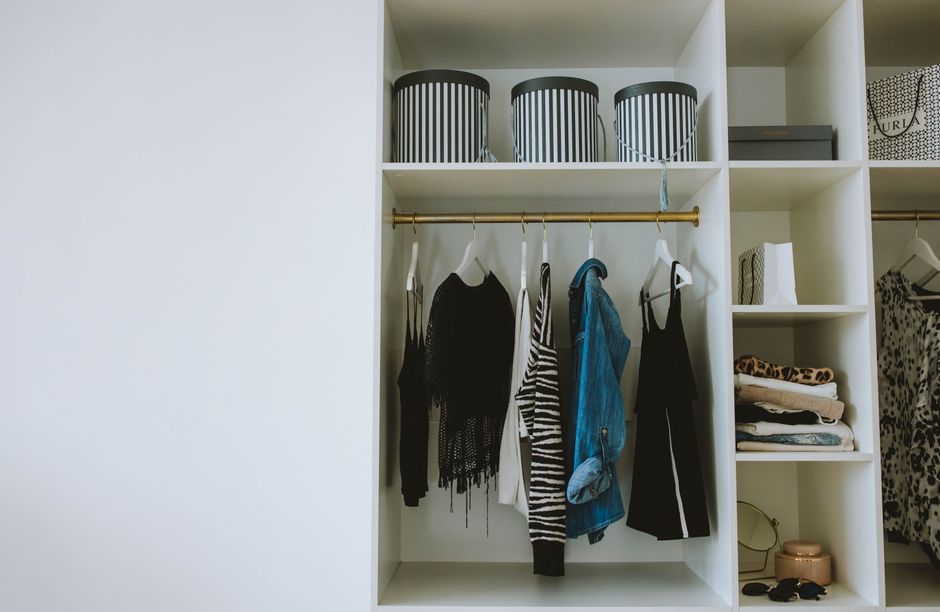
Keeping a closet organised is a task that many individuals find challenging. Over time, wardrobes tend to accumulate items that are no longer worn, pieces that no longer fit, and duplicates that were purchased by mistake. The result is often a cramped and chaotic space that makes daily dressing stressful. However, reclaiming order from clutter is possible through a systematic and thoughtful process. This article outlines a step-by-step approach to decluttering your wardrobe, with practical advice on sorting, donating, and storing your clothing efficiently. Whether you are aiming for a minimalist wardrobe or simply want a more functional closet, the methods described here can help you achieve a lasting sense of order.
The process begins with understanding that decluttering is not merely about removing excess items. It is an opportunity to evaluate your personal style, recognise your actual clothing needs, and create a wardrobe that serves you well. By approaching the task with a clear plan and a calm mindset, you can transform your closet from a source of frustration into a well-organised oasis. The following sections outline a comprehensive process, from initial preparation to final maintenance, ensuring that every step is grounded in practicality and transparency.
Preparing for the Overhaul
Before you begin removing items from your closet, it is essential to set the stage for success. Start by carving out a dedicated block of time—perhaps a morning or an afternoon—when you can focus without interruptions. A clear schedule allows you to work steadily and reduces the likelihood of abandoning the task midway. Next, gather the necessary supplies: bins or boxes for sorting, trash bags for items to discard, and a notebook or digital device for taking inventory. Having these tools on hand ensures that the process flows smoothly and prevents unnecessary pauses.
Another preparatory step involves defining your goals. What do you hope to achieve with this overhaul? You might want to create more space, simplify your daily routine, or curate a wardrobe that aligns with your current lifestyle. By clarifying your objectives, you can make more informed decisions during the sorting phase. Additionally, consider the layout of your closet and the type of storage solutions you currently use. This reflection helps you identify potential improvements, such as adding shelves for folded items or installing a second rail for shorter garments.
Finally, it is wise to enlist support if possible. Decluttering can be an emotional process, especially when dealing with sentimental items. Having a trusted friend or family member to provide a neutral perspective can be invaluable. They can help you make objective choices and offer encouragement when you feel uncertain. If you prefer to work alone, that is perfectly acceptable as long as you maintain a critical yet compassionate eye.
Sorting Clothes: The Four-Box Method
The sorting phase is the core of the decluttering process. One effective method is the four-box approach: label four boxes or containers as ‘Keep’, ‘Donate’, ‘Repair’, and ‘Discard’. This categorisation forces you to make a clear decision for each item you handle, rather than leaving things in a state of indecision. As you go through your clothing, pick up each piece individually and ask yourself a set of questions about its condition, fit, and how often you wear it. This systematic evaluation reduces the chance of clinging to items out of habit.
The ‘Keep’ box should contain only those items that you truly wear and that bring you joy or serve a practical purpose. For pieces that you are unsure about, consider whether they have been worn in the past year and whether they fill a gap in your wardrobe. If an item requires minor repairs, such as a missing button or a loose hem, place it in the ‘Repair’ box. Setting these aside prevents them from cluttering the ‘Keep’ pile while you plan for fixing them. Items that are stained, torn beyond repair, or simply worn out should go into the ‘Discard’ box, as they no longer serve a functional purpose.
The ‘Donate’ box is for garments that are in good condition but no longer fit your needs or style. Donating is a positive way to give your clothes a second life, and many charities welcome clean, usable clothing. It is advisable to check with your chosen charity about their current donation policies, as some may have specific requirements. By sorting in this structured manner, you can process even the most crowded wardrobe without becoming overwhelmed, ensuring that every item is consciously evaluated.
Remember: the goal is not to discard everything, but to curate a collection that you truly use and appreciate.
Deciding What to Keep or Let Go
Making the final decision on each garment can be the most difficult part of the process. Sentimental attachment often clouds judgment, leading to the accumulation of items that are never worn but hold memories. To navigate this emotional terrain, it is helpful to adopt a practical mindset. Ask yourself questions such as: ‘Does this item still fit me well?’, ‘Is it in a style that I currently wear?’, and ‘Would I choose this piece from a store today?’ Honest answers to these questions can guide your decision.
Another useful technique is the ‘hanger trick’. Turn all your hangers backward at the start of the season, and as you wear an item, place it back with the hanger facing the correct direction. At the end of the season, you will have a clear visual record of which pieces you have actually used. Items that remain on backward hangers are candidates for removal. This method provides a data-driven basis for decluttering, reducing the influence of impulse.
If you struggle to part with certain items, consider implementing a ‘maybe box’. Store these items out of sight for a month or two. If you do not miss them during that period, it is likely that you can let them go without regret. This approach allows you to test your attachment and make a more confident decision later. It is also important to recognise that clothing serves a purpose, and once that purpose has passed, releasing it can be liberating.
Storing Efficiently for Long-Term Order
Once you have sorted and decided on your clothes, the next step is to store them in a way that maintains order and visibility. An efficient storage system ensures that every item has a designated place, making it easy to find what you need and put things away. Begin by grouping similar items together: for example, keep all trousers in one section, shirts in another, and dresses in a third. This logical arrangement reduces time spent searching and simplifies the process of dressing.
Use appropriate hangers for different types of clothing. Thin, velvet hangers can prevent slipping for delicate items, while sturdy wooden hangers support heavier coats. Folding is ideal for knitwear and casual items, as it prevents stretching and allows for stacking. Consider using shelf dividers to keep folded stacks neat and prevent them from toppling over. For accessories such as scarves, belts, and handbags, invest in drawer organisers or hanging organisers to keep them visible and accessible.
Seasonal rotation is another effective storage strategy. Store off-season clothing in labelled bins under the bed or on high shelves, freeing up prime wardrobe space for items you wear regularly. This practice not only reduces clutter but also protects garments from dust and damage. When storing long-term, use breathable garment bags for delicate fabrics and ensure that everything is clean before packing, as stains can set over time.
Finally, maintain a regular tidy-up routine. A quick five-minute reset each evening can prevent clutter from building up. By consistently returning items to their designated spots, you extend the life of your organisation system. This proactive approach is far more to manage than occasional large-scale decluttering sessions.
Maintaining Your Organised Wardrobe
The ultimate success of your closet overhaul depends on your ability to maintain the new order. A one-time decluttering effort is only the beginning; establishing sustainable habits is essential for long-term organisation. Integrate a ‘one in, one out’ rule: whenever you purchase a new clothing item, remove an existing piece from your wardrobe. This practice helps keep the volume manageable and encourages mindful purchasing decisions.
Regularly review your wardrobe on a seasonal basis. As the weather changes, take the opportunity to reassess what you actually wear and what might be ready for donation. This routine prevents the accumulation of unworn items and keeps your wardrobe relevant to your current lifestyle. It also allows you to identify any repairs or alterations that are needed, ensuring that your clothing remains in good condition.
Stay mindful of your shopping habits. Before making a purchase, consider whether the item truly fits your style and fills a need. Avoid impulse buys that are likely to end up as clutter. By being more intentional, you reduce the future need for extensive decluttering. Additionally, keep your storage solutions organised as you go. If you notice that a section becomes messy, spend a few minutes restoring order rather than letting it become a larger issue.
In conclusion, decluttering your wardrobe is a process that yields not only a more organised closet but also a clearer mind. By following a structured approach—preparing, sorting, deciding, and storing—you can transform your space and maintain it with ease. The key is to remain consistent and realistic. Every wardrobe is unique, and the methods described here can be adapted to fit your personal needs and preferences. With effort and awareness, you can enjoy the benefits of a tranquil and efficient closet for years to come.